


The Front Page
Bridging the Digital Gap for the Silicon Heartland
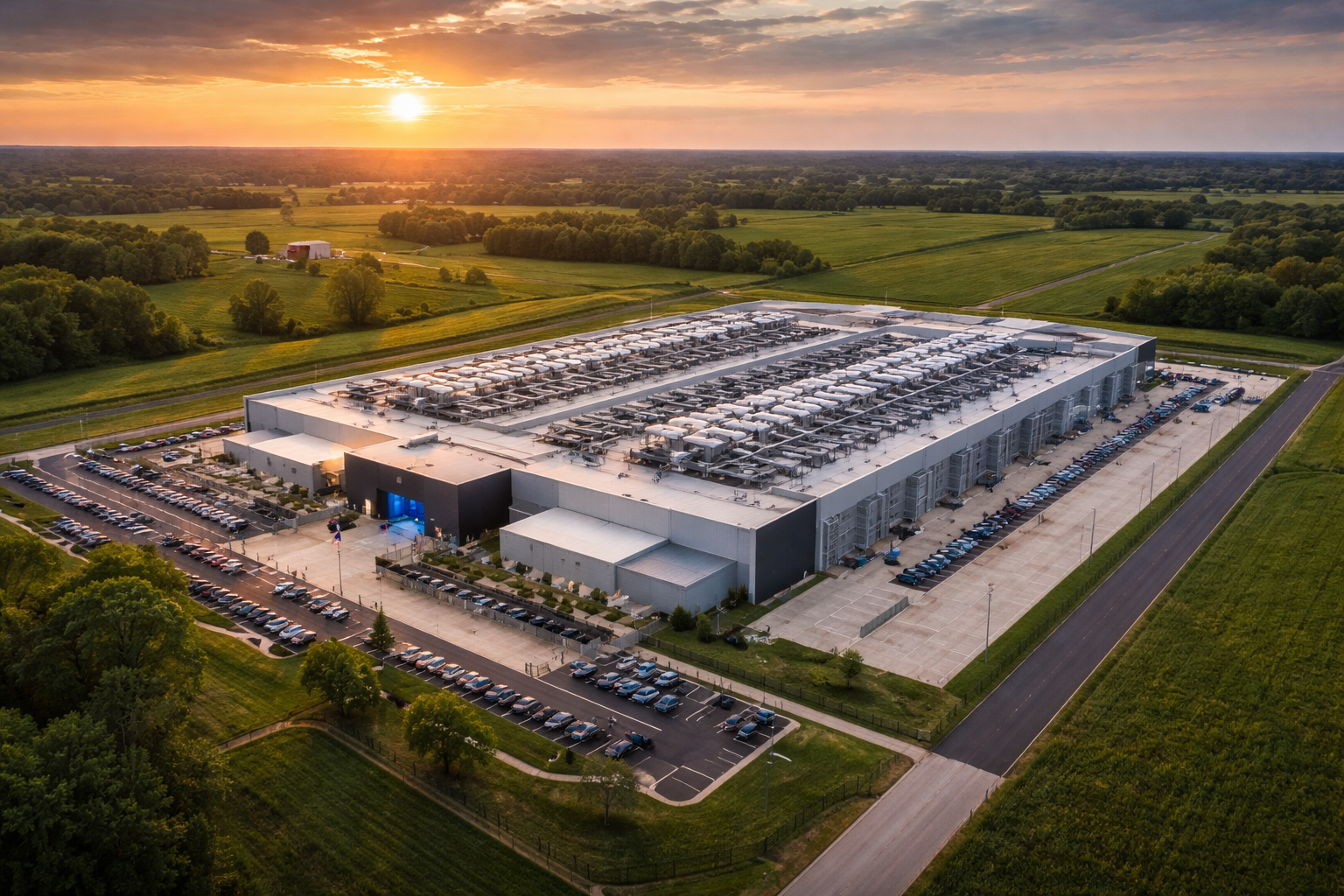
The Data Center Dilemma: Infrastructure, Energy, and Community Equity
I. The AI Infrastructure Race (2024–2026)
As of 2026, the demand for "compute" has transitioned from a backend necessity to a front-page controversy. The generative AI boom has fundamentally changed the blueprint of the data center. Unlike traditional cloud storage, AI training requires high-density racks that consume 2 to 4 times more electricity per square foot.
We are no longer just building warehouses for data; we are building "Industrial Power Engines" that are testing the physical limits of our electrical grids.
II. The Energy Paradox: Nuclear vs. The Grid
To bypass a crumbling and congested national grid, hyperscalers (Google, Microsoft, Amazon) have stopped waiting for utility companies to catch up.
The Nuclear Pivot: High-profile moves, such as the reopening of Three Mile Island specifically for Microsoft, signal a new era of "Private Power."
The Grid Constraint: In major hubs like Northern Virginia and Dublin, data centers now consume nearly 20% to 40% of all available electricity, leading to "grid lockdowns" where new residential housing cannot be approved because the power is already spoken for.
III. The Equity Gap: Who Pays the Bill?
The "Community Equity" portion of the dilemma is where tensions are highest. Recent data suggests a growing disparity in how infrastructure costs are recovered:
Price Asymmetry: In several US corridors, residential electricity rates have risen by approximately 10% over the last two years, while commercial rates for massive data centers increased by only 3%.
Water Scarcity: A single large-scale data center can consume up to 500,000 gallons of water per day for cooling. In drought-prone regions, this has led to "Aquifer Anxiety," where local farmers and residents fear their wells will run dry to keep GPUs cool.
IV. The Path Forward: Community Benefit Agreements (CBAs)
A new standard of "Digital Citizenship" is emerging through legally binding Community Benefit Agreements. Forward-thinking municipalities are no longer granting permits based on tax revenue alone. New requirements often include:
Water-Use Caps: Mandatory transition to "Closed-Loop" cooling systems that recycle water.
Onsite Generation: Requiring data centers to bring their own power (solar/battery) rather than drawing from the public pool during peak hours.
Direct Community Reinvestment: Direct payments into local school districts or "Digital Equity" funds to bridge the local broadband gap.
V. Conclusion: Beyond the Building
The Data Center Dilemma isn't just a technical hurdle; it is a test of urban planning and social contracts. As we move deeper into 2026, the most successful projects will be those that view the community not as a "host site," but as a primary stakeholder in the digital future
The Buckeye State is rewriting the Data Center playbook.
From the 10GW "mega-campus" in Piketon to new laws (HB 706) forcing tech giants to pay for 85% of their projected power—whether they use it or not—Ohio is no longer just a "host." It is becoming the first state to force a balance between the AI arms race and local ratepayer protection.
📍 Case Study: Ohio’s 2026 Data Center Landscape
1. The "Off-Grid" Shift (Infrastructure & Energy)
The News: In April 2026, Wärtsilä announced it is supplying 412 MW of gas-fired engine power for a major Ohio data center project.
The Dilemma Tie-in: This project is designed for off-grid operation. Because the local utility grid is so congested, developers are now building their own mini-power plants on-site.
Source: Wärtsilä to Supply 412 MW of Gas-Fired Power for U.S. Data Center (April 16, 2026)
2. The 10-Gigawatt "Mega-Campus" in Piketon (Infrastructure)
The News: In March 2026, the U.S. Dept. of Energy and SoftBank announced a 10-gigawatt data center at the site of the decommissioned Portsmouth Gaseous Diffusion Plant.
The Dilemma Tie-in: This is one of the largest projects in history. It includes a $40 million Community Benefits Agreement (CBA) and $4.2 billion in grid upgrades intended to prevent residential rate hikes. It represents the "Architect's" dream of reindustrializing former nuclear sites.
Source: Trump officials announce 10-gigawatt data center at former Ohio uranium site (March 20, 2026)
3. The "85% Rule" & House Bill 706 (Community Equity)
The News: Ohio lawmakers (HB 706) are currently pushing to expand the "AEP Data Center Tariff" statewide.
The Dilemma Tie-in: This is the "Redactor's" favorite policy. It requires data centers to pay for at least 85% of the energy they claim they will use, even if they don't use it. This prevents the "speculative load" problem where utilities build massive infrastructure for data centers that never materialize, leaving local families to pay the bill.
Source: Ohio House bill would extend data center tariff to rest of state (March 2, 2026)

For most, the answer is a mystery. For the communities hosting the massive data centers behind the screen, the answer is an industrial reality they can no longer ignore. As Big Tech scrambles for land and power in the "Silicon Heartland," we are facing a defining dilemma: Will this digital revolution lift our communities, or simply extract from them?
We stream films, conduct business, access healthcare records, and increasingly rely on artificial intelligence to manage the rhythms of daily life — all without pausing to ask what physical infrastructure makes any of it possible. For too long, that question has gone unasked. But as someone deeply committed to economic equity in underserved communities, it is a question we can no longer afford to ignore. The answer matters — not just technically, but morally and politically — because the communities bearing the greatest burden of this digital buildout are too often the ones with the least power to shape it.
Understanding the Landscape: What Is a Data Center?
Clarity is essential here: A data center is a large-scale industrial facility that houses the servers, networking equipment, and cooling infrastructure that power our digital lives.
These are not the modest server closets of the 1990s. Modern hyperscale data centers — built by companies like Amazon, Google, and Microsoft — can span well over one million square feet, consume hundreds of megawatts of electricity, and require millions of gallons of water daily for temperature regulation.
Moreover, the scale of investment in this sector is staggering. In 2024, global data center capacity investment surpassed $400 billion — a figure that would have seemed impossible only a decade ago, and which analysts now consider conservative given the exponential growth of AI workloads. Wow! That is not a misprint. We are witnessing one of the largest infrastructure buildouts in human history, and it is happening largely out of public view.
I must say, what is equally remarkable — and troubling — is where these facilities are being built, who is deciding where they go, and who is being asked to absorb their costs.
The Energy Challenge: 3 Dimensions of a Growing Crisis
The data center industry’s relationship with energy is complex, and I believe it must be examined from at least three distinct angles.
Dimension 1: The Strain on the Public Grid
A single hyperscale campus can draw as much electricity as a small city. When these facilities concentrate in a region — as they have in Northern Virginia, which now hosts the world’s largest data center hub — the strain on the regional electrical grid becomes acute. Utilities are scrambling to upgrade transmission infrastructure, and in many jurisdictions, those upgrade costs are passed along to everyday ratepayers, not to the corporations generating the demand. I would argue that this cost-shifting arrangement deserves far greater public scrutiny than it currently receives.
Dimension 2: The Gap Between Pledges and Reality
Most major tech companies pledge to operate on 100% clean energy, but a closer look reveals a reliance on financial mechanisms like Renewable Energy Credits (RECs). These allow companies to claim "green" status while still drawing from the same fossil-fuel grid as their neighbors. Until real-time carbon accountability becomes the standard, the industry's public communications will continue to obscure the reality of their consumption.
Dimension 3: Competition for Vital Water Resources
Evaporative cooling systems can consume millions of gallons of water per day. In drought-prone regions and rural areas, this creates direct competition with agriculture and municipal systems. The scale of this consumption—a resource that Appalachian communities already fight to protect—is being allocated to data infrastructure often without meaningful public debate.
Who Decides, and Who Pays? The Equity Question We Must Name
This is the conversation Big Tech consistently avoids. While data centers are recruited with billions in public subsidies, the ratio of taxpayer 'investment' to community 'benefit' is often dangerously lopsided.
Data centers are frequently recruited to communities through generous public subsidies. States and municipalities offer tax abatements, equipment exemptions, and other incentive packages to attract investment and — in theory — jobs. In Virginia, for instance, data centers have historically been exempt from state sales taxes on equipment, a subsidy that has cost the commonwealth billions in foregone revenue over time.
Honestly, the economic calculus here is more complicated than it first appears. Consequently, I want to be fair: data centers do create construction employment, support local vendors, and generate some tax revenue. These are real benefits. However, the ratio of public subsidy to community benefit has drawn legitimate and growing criticism. A large manufacturing facility of comparable size might employ hundreds of local workers in accessible, living-wage roles. A data center of equivalent footprint might employ a few dozen permanent staff, most of them in highly specialized technical positions that do not typically draw from the local labor pool.
What is more, research has consistently demonstrated that industrial infrastructure — power substations, heavy industry, and now data centers — is disproportionately sited in lower-income communities and communities of color. These are the communities that bear the localized impacts: the noise, the traffic, the aesthetic transformation of their neighborhoods, and the pressure on their utility bills. Yet the economic benefits accrue primarily to shareholders and consumers far removed from the facility itself.
This is a structural equity problem, and it demands a structural response.
Framework for Equity: What Communities Deserve
In this section, I want to briefly share my perspective as someone who works in community economic development in Appalachian Ohio — a region that knows firsthand what it means to host extractive industries that take more than they give.
We believe no data center should break ground without meeting these four pillars of community sovereignty:
• Community Benefit Agreements (CBAs) that tie data center approvals to concrete local commitments — workforce development partnerships, local hiring benchmarks, utility assistance funds, and direct investment in community infrastructure.
• Energy transparency requirements that mandate public disclosure of a facility’s hourly energy consumption and real-time carbon intensity. If a company is claiming green credentials, the public should be able to verify those claims at the local level.
• Water use audits tied to regional water availability assessments, published and accessible to community members before a facility is approved — not after it is built.
• Subsidy reform that conditions tax incentives on measurable, community-level outcomes rather than simple job-count metrics. The quality, accessibility, and wages of those jobs must be part of the calculus.
• Inclusive zoning and permitting processes that require early, meaningful engagement with affected communities — not perfunctory public hearings held after decisions have effectively been made.
A Different Vision is Necessary
The digital infrastructure powering our modern economy is not optional. It is the backbone of education, healthcare, and the AI tools that can transform workforce development in underserved regions. The Silicon Heartland is real, and its potential to lift Appalachian Ohio is significant.
But the question is no longer whether to build—it is how, where, and for whom. The technical imagination for responsible development already exists; what is lagging is the policy architecture to require it. The communities hosting the next several decades of digital growth deserve a meaningful seat at the table where that future is designed.
In conclusion, I want to be clear: I am not arguing against data centers. The digital infrastructure that these facilities support is not optional in the modern economy. It powers education, healthcare, financial services, and increasingly, the AI-integrated tools that I believe can transform workforce development in underserved regions like our own. The Silicon Heartland is real, and its potential to lift communities across Appalachian Ohio is real as well.
But the question before us is not whether to build — it is how, where, and for whom.
Some companies are beginning to model better approaches. Microsoft’s investment in nuclear energy for its data center fleet, Google’s work on 24/7 carbon-free energy matching, and smaller operators experimenting with waste heat recovery — routing excess server heat to warm nearby buildings — suggest that the technical imagination for doing this more responsibly already exists. What is lagging is the policy architecture and the political will to require it.
Moving forward, I hope to see community advocates, local elected officials, utility regulators, and workforce development professionals at the same table where these decisions are made. The infrastructure of the digital economy will shape the physical and energy landscape of the next several decades. The communities that host it deserve a meaningful seat at the table where that future is designed.
As I have often said in my work: the answer starts with education, and education starts locally. That principle applies here as much as anywhere. When communities understand what is at stake — when they are equipped with the knowledge and the tools to advocate for themselves — the outcomes change. I believe that. I have seen it. And I am convinced that the data center dilemma, as real and complex as it is, is one we can navigate together — if we are willing to do the work.

On April 15, join the Brookings Institution’s AI and Emerging Technology Initiative and Stanford’s Institute for Human Centered AI (HAI) for a conversation on the 2026 edition of HAI’s AI Index and what it reveals about the state of AI development, adoption, and impact. The event will feature a presentation by the report’s lead author, followed by a conversation on workforce and economic data featuring Sharat Raghavan, the director of LinkedIn's Economic Graph Research Institute, Brookings Senior Fellow David Wessel, and AI Index Co-Chair Ray Perrault. A closing panel of experts will dive deeper into emerging trends in critical policy domains, identify gaps and barriers in data reliability, and explore what researchers, policymakers, and companies can do to build a stronger empirical foundation for AI governance.
The Brookings Institution,1775 Massachusetts Ave NW, Washington, DC 20036
Commentary
The empty national AI policy framework: Who is in charge of those in charge?
Posted March 31, 2026 Reposted April 11, 2926
The Trump administration recently unveiled a national policy framework for AI, but it misses a critical dynamic in AI governance around responsibility and accountability.
Effective oversight begins with recognizing the effects of AI—its harms and risks—and the causes of those effects—power and competition
Meaningful policy must structure power by focusing on four interlocking principles: accountability, access, agency, and action.
On March 20, the Trump White House released its National Policy Framework for Artificial Intelligence. It is filled with worthy aspirations such as protecting children, promoting innovation, and ensuring American leadership.
But it sidesteps the most important question in AI governance: Who is in charge of those in charge?
Having sidelined Congress in seemingly everything else, the administration now delegates AI policy to the legislative branch, offering a series of “Congress should” bromides. At the same time, the policy is devoid of any meaningful discussion of the responsibility and accountability of those whose decisions created the very issues it seeks to address.
The plan mistakes symptoms for causes.
Much of the public debate about AI has focused on existential risks—doomsday scenarios in which machines escape human control. But the more immediate and tangible risk is not hypothetical. It is the concentration of AI decisionmaking in a handful of individuals responsible primarily to themselves and their shareholders. In the early digital era, as small startups grew to become Big Tech, firms like Google, Amazon, and Meta fought regulation in order to make their own rules for the new order.
Now Big Tech has become “Big AI.”
Closing the data gap for AI policy: Lessons from the Stanford AI Index
By James White, II | Community Economic Development Solutions LLC Posted April 9, 2026
SHARED FROM THE BROOKINGS INSTITUTE
Research
Generative AI as a weapon of war in Iran
Posted April 8, 2026 Reposted April 11, 2026
Some of this footage was recycled from unrelated conflicts, including in Ukraine, and even from video games. Yet some of it was entirely fabricated and created with now ubiquitous generative artificial intelligence (AI) tools that can produce even more realistic content at scale. Several observers of the space emphasized the unprecedented volume of AI-generated content and its increasing sophistication.
Does the Anthropic–Pentagon feud mean the end of responsible AI?
THE TECHTALK PODCAST
Research
Global energy demands within the AI regulatory landscape
Brooke Tanner, Derek Belle, Cameron F. Kerry, Nicoleta Kyosovska, Andrea Renda, Elham Tabassi, and Andrew W. Wyckoff
The dialogue examined how rapid AI-driven growth in data centers is impacting increasing electricity and water consumption worldwide.
Participants discussed how international governance efforts may help build out measurement, standards, and reporting tools, and explored energy policy and investment strategies for managing energy constraints in the context of hyperscaler expansion and sustainability goals.
Commentary
Artemis II and the rapid rise of a global space economy
Darrell M. WestSenior Fellow - Governance Studies, Center for Technology Innovation (CTI), Center for Effective Public Management (CEPM), Douglas Dillon Chair in Governmental Studies
Posted April 8, 2026 Reposted April 11, 2026
The global space economy reached $613 billion in 2025, with the commercial sector accounting for 78% of that total and employing nearly 400,000 people in the United States.
The Trump administration has allocated $40 billion to the Space Force to develop offensive and defensive capabilities, reflecting the critical role satellite imagery and communications play in modern military operations.
NASA’s successful Artemis II mission highlight a turning point where once-implausible scenarios, such as permanent lunar settlements and orbital data centers, will likely materialize.
Commentary
The empty national AI policy framework: Who is in charge of those in charge?
Reposted April 11, 2026
The Trump administration recently unveiled a national policy framework for AI, but it misses a critical dynamic in AI governance around responsibility and accountability.
Effective oversight begins with recognizing the effects of AI—its harms and risks—and the causes of those effects—power and competition
Meaningful policy must structure power by focusing on four interlocking principles: accountability, access, agency, and action.
Realizing Africa’s digital trade potential under the AfCFTA
by Landry Signé and Chido Munyati
Posted March 18, 2026 Reposted March 22, 2026
With the adoption of the AfCFTA Digital Trade Protocol, Africa has begun to put in place the rules, institutions, and market infrastructure required to support cross-border digital commerce at scale.
Strategic investors are benefitting from this, finding success particularly in payment systems, e-commerce marketplaces, and trade facilitation tools wherein the Protocol is addressing existing roadblocks.
While infrastructure deficits still persist, which create key barriers for scaling, there are ways in which these can be addressed.
Investors who can help build out digital trade services and financial services companies in Africa now will be able to capture compounding value later.
By James White II
After years of breathless headlines and sky-high valuations, 2026 is shaping up to be the year when artificial intelligence finally has to prove it10s worth. The message from boardrooms to Main Street is clear: show me the money.
According to recent research from MIT Sloan Management Review and industry leaders, businesses are no longer satisfied with impressive demos and pilot programs. They want measurable returns on investment, documented productivity gains, and real-world impact. As Venky Ganesan of Menlo Ventures puts it,
"2026 is the 'show me the money' year for AI."
This shift from experimentation to accountability creates both challenges and opportunities for communities like ours. The good news? Small and medium-sized businesses are closing the gap with large enterprises faster than anyone expected. In February 2024, large b14usinesses used AI at 1.8 times the rate of small businesses. By August 2025, that gap had shrunk dramatically—small business usage reached 8.8% while large business adoption actually declined slightly to 10.5%.
What does this mean for Southea16st Ohio and communities facing similar challenges? It means we're not too late to the party. In fact, we might be arriving at exactly the right time—when AI tools are becoming more accessible, affordable, and proven, but before the competitive advantages solidify.
The businesses seeing real gains 19from AI shar20e common characteristics: they prioritize data quality over flashy technology, they integrate AI into existing workflows rather than treating it as a separate initiative, and they focus on specific, measurable outcomes. Seventy-four percent of growing small businesses are incr21easing data management investments, compared to just 47% of declining businesses.
Moreover, the most successful AI adopters aren't trying to do everything at once. They're going "narrow and deep"—selecting one or two high-impact processes and redesigning them from the ground up with AI capabilities, rather than simply automating existing inefficient workflows.
2026: The Year AI Moves from Hype to ROI
Community & Policy Focused
Public libraries host Free AI Literacy Courses in Appalachia
Beyond the Warehouse: Transforming Data Centers into Regional Innovation Engines
The Data Center Dilemma: Balancing Infrastructure, Energy, and Community Equity
For years, towns welcomed data centers as "quiet neighbors"—massive tax-paying boxes that required no schools and few services. But the AI gold rush has changed the math. Communities are now trading away their most precious resources—water, power, and land—for a handful of permanent jobs and a surge in construction dust. The "FOMO" (fear of missing out) dynamic has allowed Big Tech to dictate terms in secret, but the tide is turning. As hyperscalers scramble for "mega-sites," the leverage has shifted back to the local level. It’s time to stop treating data centers like warehouses and start treating them like the anchors of a new industrial revolution.
Key Takeaways
The Jobs Illusion: Traditional models offer thousands of temporary construction roles but often fewer than 400 permanent operational jobs. Regions must look beyond the initial headcount to find true value.
A Shift in Power: The intense competition between firms like OpenAI, Google, and Microsoft for grid access and permits gives local officials new leverage to demand "win-win" co-investments.
Ecosystem over Real Estate: Successful regions (like Southeastern Wisconsin) are moving from "narrow deals" focused only on zoning to "ecosystem-shaping moments" that include R&D partnerships and workforce training.
Energy as an Opportunity: Data centers' massive energy needs can be used to fund local grid modernization and pilot innovative green technologies like geothermal and advanced nuclear power.
Next Steps for Communities Facing New Proposals
If your region is currently negotiating a data center site, the article suggests these immediate strategic shifts:
Stop the Hasty Sprint: Reject opaque, secretive negotiations. Broaden the agenda to include high-value tech benefits before granting expedited permits.
Demand "Compute" Access: Negotiate for guaranteed computing resources for local public universities and research labs to prevent "brain drain" to the private sector.
Propose a "Community Equity Endowment": Move beyond simple community benefit agreements. Explore models where the community co-invests in the real estate or captures a portion of the project's long-term financial upside.
Create Regional Testbeds: Require developers to co-finance local R&D hubs where home-grown startups can validate new cooling or hardware technologies.
Conclusion
The era of the "out-of-sight, out-of-mind" data center is over. As AI scales, these facilities are becoming the "factories" of the 21st century. Communities that continue to accept the standard, asymmetric deal risk becoming mere infrastructure hosts with a stressed grid and an empty talent pool. However, by demanding a seat at the table as an active partner—rather than just a landlord—local leaders can transform these massive physical footprints into self-sustaining engines of regional innovation and shared prosperity.
The "Warehouse" Trap: Why Data Centers Aren't Just Buildings Anymore
CALL TO ACTION: Libraries Partner with Us
Libraries: Bring AI Literacy to Your Community
Southeast Ohio's libraries have always been more than book repositories—you're community anchors, digital access points, and trusted sources of learning. Now, as AI reshapes our economy and society, libraries are perfectly positioned to ensure no one gets left behind.
I'm launching a free online AI Literacy course this spring, and I need library partners throughout Ohio to help reach the communities that need it most.

Ohio House Bill 646: A Balanced Look at the Data Center Study Commission
The Case FOR HB 646 (Proponents)
Separates Fact from Fiction: Provides "reasonable, rational, and qualified" answers to dispel misinformation and conspiracy theories regarding data centers.
Grid & Rate Protection: Prevents industrial demand from causing residential brownouts or massive rate hikes.
National Security Focus: Validates the role of Ohio data centers in the "AI race" against global adversaries like China to ensure U.S. dominance
Farmland Preservation: Forces a statewide strategy to stop the loss of prime topsoil to "greenfield" development.
Economic Strategy: Helps lawmakers determine if the 15-year-old sales tax exemptions are still necessary or if they are costing the state too much ($150M/year).
The Case AGAINST HB 646 (Industry Concerns)
"Buying Time": Critics argue a six-month study is a delay tactic that allows developers to "break ground" while the state is busy researching.
Lacks Teeth: The bill only creates a study; it does not implement actual regulations, water limits, or noise ordinances immediately.
Exclusionary Membership: Initial pushback noted a lack of mandatory seats for labor unions and building trades on the 13-member commission.
No Moratorium: The original six-month "pause" on new construction was removed from the bill, allowing expansion to continue unchecked during the study.
Narrow Scope: Does not currently address the lack of transparency in "Proprietary Information" (like specific water usage) often hidden by developers.
Source: The information and specific arguments for Ohio House Bill 646 (HB 646) are sourced from current legislative proceedings and news reports from the 136th Ohio General Assembly (as of March 20, 2026).
Specifically, the points originate from the following sources:
1. Official Legislative Record
The Ohio House of Representatives: Official press releases from the bill's primary sponsors, Rep. Gary Click (R-Vickery) and Rep. Kellie Deeter (R-Norwalk), following the bill's unanimous passage in the House on March 18, 2026.
Committee Testimony: Public records from the House Technology and Innovation Committee hearings held in February and early March 2026, where the specific concerns regarding "behind the meter" electric supply and utility rates were debated.
2. Stakeholder Testimony
The Ohio Farm Bureau: Much of the "Pros" regarding farmland preservation and aquifer protection comes from the testimony of Evan Callicoat, the Farm Bureau's director of state policy, who advocated for a "data-driven approach" to land use.
Local Governance Groups: Arguments regarding "Local Control" and zoning power have been highlighted by regional planning commissions and township trustees who testified during the committee phase.
3. Investigative & Local Journalism
Signal Cleveland & Signal Ohio: Reports by Andrew Tobias have detailed the "Cons," specifically the removal of the original six-month construction moratorium and critiques that a study is a "stalling tactic" compared to immediate regulation.
The Ohio Ag Law Blog (OSU Farm Office): Provided analysis on the "Compressed Timeline" concern, noting that six months may be insufficient to study the complex interplay between data centers and the state's water/energy infrastructure.
4. Industry Analysis
The Data Center Coalition: While remaining officially "neutral" on the bill, this trade group provided the context for the "Investment Chill" argument, noting that regulatory uncertainty can impact Ohio's competitiveness against neighboring states like Indiana.
This mix of official government data, advocacy group testimony, and independent journalism provides a 360-degree view of why this bill is currently moving so quickly through the Statehouse.
Would you like me to find the specific contact information for the Senate committee members who will be reviewing this bill next?
The AI gap is widening, but the solution is here.
I’m opening up the CEDS Learning Platform for FREE to ensure our rural communities have the competitive edge they deserve.
What you get:
1️⃣ AI Literacy: Move from "what is AI?" to "how do I use it?"
2️⃣ Financial Literacy: Master the math behind the mission.
Stop waiting for the future to arrive. Build it.
Get started now:
🔗 https://cedslearn-racgxdsw.manus.space/
Stay Ahead with The Accelerators Newsletter
Explore the digital products, services and strategic initiatives of CEDS LLC
J. White II Consulting is dedicated to driving growth and community impact.
“I guide leaders and organizations with purpose toward sustainable growth.”
- James White II, Founder of J. White II Consulting & CEDS LLC
Posted February 8, 2026
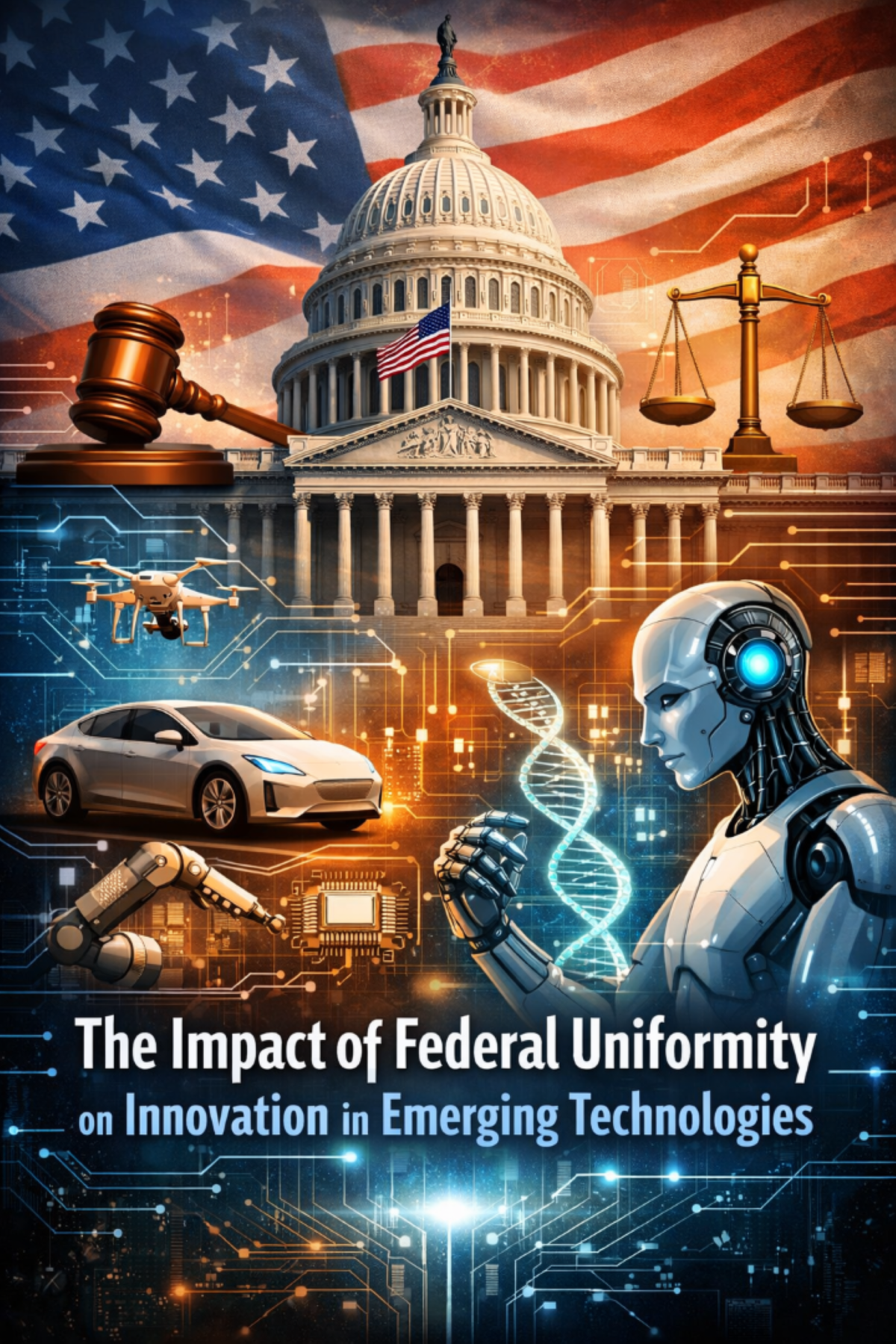
Can a state protect its citizens from algorithmic bias if it costs them their high-speed internet?
This is the $42 billion question facing many state legislators today. With the Colorado AI Act set to take effect in June 2026, the state faces a pivotal decision between protecting civil rights and ensuring its digital future.
In 2024, Colorado gave tech companies a compliance roadmap. In 2025, the federal government gave them an ultimatum.
Now, Colorado startups are caught in a regulatory no man's land—where following state law might mean losing the very infrastructure they need to scale.
This is federal power wielded not through legislation or court victories, but through the purse strings. States can keep their laws on the books, but they'll pay for it.
Colorado has a problem. The state passed comprehensive AI legislation in 2024—the Colorado AI Act—requiring companies to assess their AI systems for bias and discrimination.
It was carefully crafted, years in the making, and set to take effect in June 2026.
Now Colorado faces a choice: keep the law and lose billions in federal funding, or gut its protection and get the money.
This isn't hypothetical. In July 2025, the Trump administration's AI Action Plan directed the Office of Management and Budget to consider a state's AI regulatory climate when making funding decisions and limit funding if the state's AI regulatory regimes may hinder the effectiveness of that funding or award.
Posted January 24, 2026
A Tale of Two Philosophies
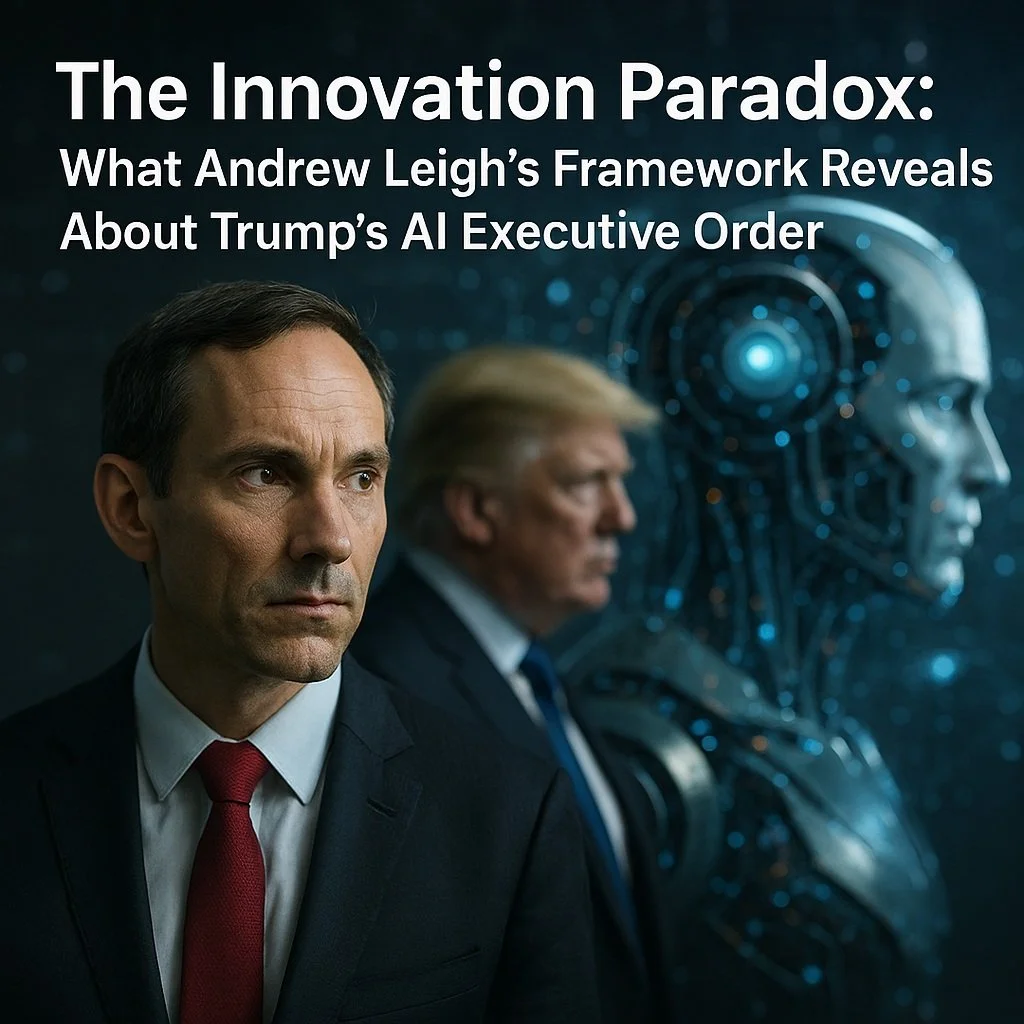
In his compelling work "The Shortest History of Innovation," Australian economist Andrew Leigh traces humanity's greatest leaps forward through three essential forces: tinkering (local experimentation and diverse approaches), teams (collaboration at scale), and trade (the free flow of ideas across borders and disciplines). These forces, Leigh argues, determine whether innovation flourishes or withers.
Continued on LinkedIn (see below).

Strategic Arrow Guide Book
The Strategic Arrow Guide Book is a practical planning and execution resource designed to help mission-driven leaders move from vision to focused action. Created for nonprofits, local governments, founders, and community-based organizations, this guide offers a clear framework for setting priorities, aligning goals, and building momentum with purpose.
Inside, readers will find structured guidance, reflection prompts, and practical tools to help clarify direction, assess current capacity, identify next steps, and track progress over time. The Strategic Arrow framework is built to support leaders who want a simple but effective way to strengthen strategy without overcomplicating the process.
Whether you are leading a small nonprofit, launching a community initiative, or managing a growing organization, this guide helps you aim with intention and execute with greater confidence.
Ideal for:
Nonprofit leaders, solo founders, local government teams, social enterprises, and mission-driven organizations.
What it helps you do:
Clarify your mission, define priorities, build actionable plans, and stay aligned as you grow.
The Strategic Arrow Guide Book available at my STAN’S STORE.

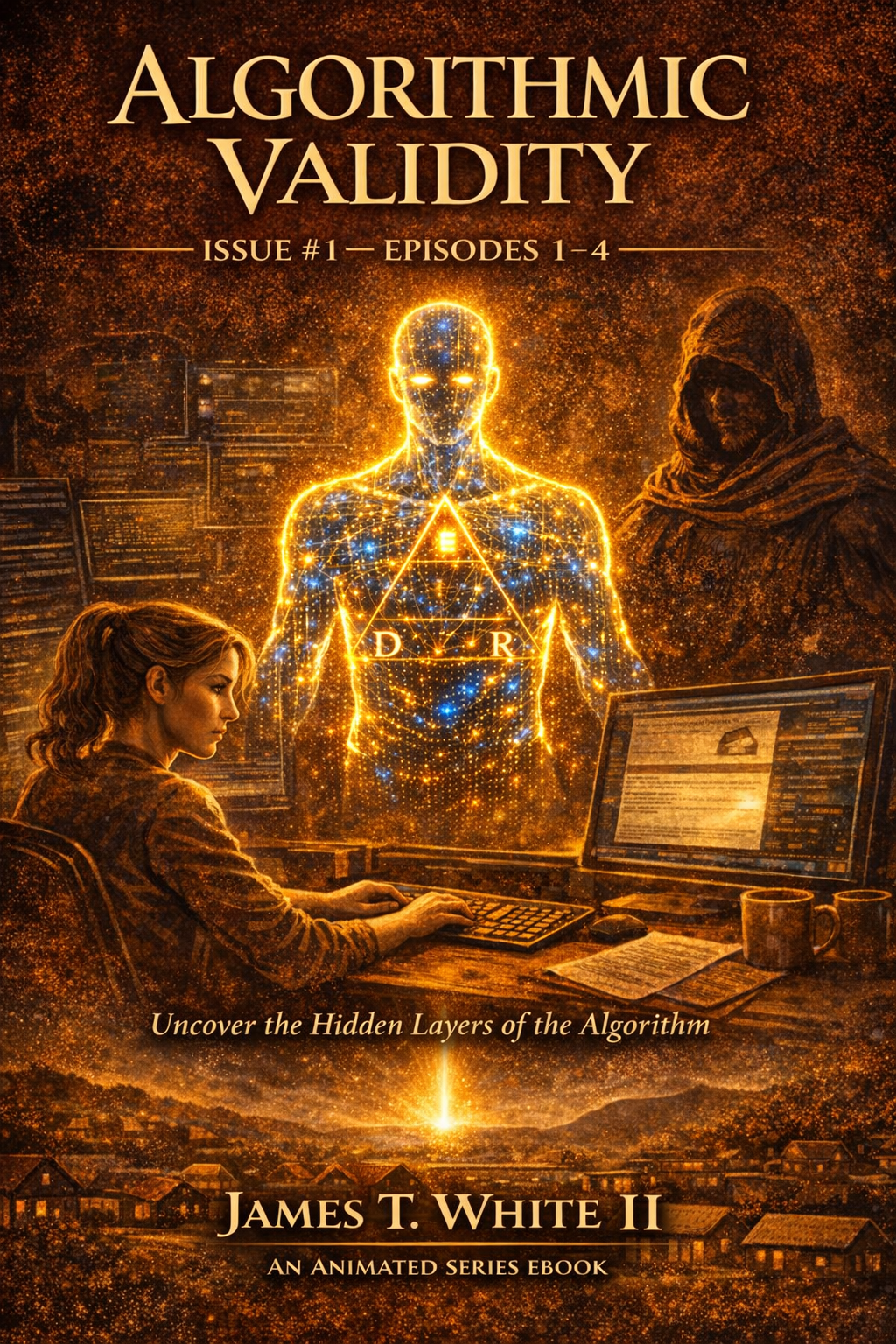
Algorithmic Validity asks “Will the truth survive the system’s retaliation?”
Who controls the Reckoning Layers now?
And what happens when the people see what was hidden from them?
Issue #4 is live.

by Kandiss Edwards
Black Enterprise
Posted January 27, 2026
Reposted January 28, 2026
Former NFL quarterback Colin Kaepernick promotes literacy and technology through his tech company, Lumi AI, and partners with Nashville schools. In conjunction with Metro Nashville Public Schools (MNPS), In conjunction with Metro Nashville Public Schools (MNPS), Kaepernick will launch an AI literacy and storytelling pilot program. He is the CEO and co-founder of Lumi, an AI-powered storytelling platform that allows users to engage in literacy in an immersive way
Colin Kaepernick Integrates AI And Literacy In Nashville School Pilot Program
🌾 The Accelerators: Table of Contents
Spring 2026 Edition | Focus: Data, Soil, and Sovereignty
Section Topic Key Highlights.
Disaster Recovery
Immediate technical and financial assistance for producers affected by wildfires and winter storms.
II. Financial Lifelines
Accessing Emergency Loans, Livestock Indemnity, and the Tree Assistance Program.
III. Sovereignty & Security
New USDA/Dept. of War MOU to protect the agricultural supply chain from Cyberattacks.
IV. Data & Streamlining
”Transitioning to a single digital record to reduce red tape via the My RD Loan Portal.
V. Regulatory Horizon
New voluntary standards requiring animals to be born, raised, and processed in the U.S.
VI. Research & Innovation
$65M for Organic Research (OREI) and $500K grants for emerging pest threats.
VII. Regional Advocacy
Analyzing the Data Center Study Commission’s impact on farmland preservation.
VIII. Workforce Development
Rural AI LiteracyA call for Appalachia’s libraries to lead AI literacy pilot programs for rural economic growth.
📅 Critical Deadlines & Actions
72-Hour Rule: Report storm/weather losses to your local FSA office within 72 hours of discovery.
Tax Education: Farm Income Averaging Webinar update.
Grant Deadline: OREI Applications are due by May 14, 2026.
Get Ready: Webflow Conf ‘26 Tickets Drop Next Week! 🚀
The wait is almost over. Tickets for Webflow Conf ‘26 officially go on sale next week, and this year is going to be 3x bigger, 3x more energetic, and 3x more impactful than ever before.
Whether you're joining us in person in Boston or tuning in online, this is the event for the Webflow community to connect, learn, and see what’s next for the future of the web.
Event Details:
What: Webflow Conf ‘26
Where: Boston & Online
When: September 1-3, 2026
History says these tickets go fast—don't miss your chance to be part of it.
👉 Learn more and get ready to register here
#WebflowConf #Webflow #DesignOps #NoCode #WebDesign
Community Economic Development (CED) in America is deeply rooted in African American history. From Reconstruction forward, Black communities built economic power through land ownership, entrepreneurship, education, and collective action—often in the absence of access to formal capital or public investment.
Leaders like Booker T. Washington emphasized vocational training and enterprise as pathways to dignity and self-determination. That vision came to life in places like Tulsa, Oklahoma’s Black Wall Street, where Black-owned businesses, banks, and institutions formed a thriving local economy—demonstrating the power of community-controlled development.
This legacy also gave rise to modern institutions. In 1967, Bedford-Stuyvesant Restoration Corporation became the nation’s first Community Development Corporation (CDC), proving that place-based, community-led investment could drive revitalization without displacement. Today, CDCs and CDFIs across the country carry this work forward by expanding access to capital, housing, jobs, and ownership.
Modern community wealth-building efforts—from Evergreen Cooperatives in Cleveland to Banana Kelly Community Improvement Association in the Bronx—reflect a direct lineage from these early models. While rooted in Black leadership and experience, these strategies have become a blueprint for inclusive growth that benefits communities of all races, ethnicities, genders, and sexual identities.
Even the Black Church played a significant role in community development and revitalization. Black churches were "seedbeds" for organizing the community's first major financial institutions, including Black-owned banks and life insurance companies, particularly after the failure of the Freedman's Savings and Trust Company in 1874. Today, Black churches are uniquely positioned to lead economic movements centered on closing the racial wealth gap, as they are often the only stable institutions remaining in underserved neighborhoods.
Hidden Safe House
Used In Underground Railroad
Discovered In NYC
Landmarked Museum
Black Enterprise Posted February 11, 2026 Reposted February 14, 2026
A hidden safe house once used by the Underground Railroad has been discovered within a famed NYC landmark museum. A hidden safe house once used by the Underground Railroad has been discovered within a famed NYC landmark museum. Inside the Merchant’s House Museum in Manhattan, visitors to the Empire State would get a sense of “old New York.”
The old residential building became its own historic center in 1936, showcasing life during the late 19th century. Initially belonging to the Treadwell family, its well-kept furnishings have become a mainstay for New York’s eclectic museum offerings. However, the Merchant’s House museum’s staff have discovered a new historic remnant within its walls, a safe house used to protect and hide people escaping slavery. They were aware of its existence, but not the significance of the vacant room.
“We knew it was here, but didn’t really know what we were looking at,” explained Camille Czerkowicz, the museum’s curator, to NY1.
Behind the bedrooms on its second floor lies a vertical passageway used by freedom-seekers to travel in secret. The reveal has sent a shockwave through historical preservation circles, with one expert calling the safe house a “generational find.”
“I’ve been practicing historical preservation law for 30 years, and this is a generational find. This is the most significant find in historic preservation in my career, and it’s very important that we preserve this,” Michael Hiller, a preservation attorney and professor at Pratt Institute, said.
During the enslavement period, some enslaved Africans were able to find ways to escape, often with the help of white and Black abolitionists. The Underground Railroad was a secret passage system from the slavery-legalized South to the Northern free states in the U.S., often taking many freedom-seekers all the way to Canada to escape bondage. According to History.com, the Railroad had many unique stops along its journey, using several safe houses to ensure travelers stayed hidden.
The Abolitionist Movement:
A Quick Overview
The Abolitionist Movement was the organized effort to end the practice of slavery in the United States. While it existed from the colonial era, it transformed into a militant, high-stakes political force in the mid-19th century.
Core Strategies
Moral Suasion: Using literature, speeches, and religious arguments to frame slavery as a "national sin."
Political Lobbying: Founding parties like the Liberty Party and the Free Soil Party to challenge slaveholding interests in Congress.
The Underground Railroad: A clandestine network of safe houses used by "conductors" to guide freedom-seekers to the North and Canada.
Historical Significance
The movement was the primary catalyst for the American Civil War. It pushed the nation toward the passage of the 13th Amendment, which constitutionally abolished slavery in 1865.
Modern Preservation & Legacy
Physical evidence of the movement is still being uncovered today.
Hidden Safe Houses: In February 2026, a vertical passageway used to hide freedom-seekers was discovered at the Merchant’s House Museum in NYC.
Urban History: These finds prove that even in Northern cities where the elite were often neutral, secret networks of abolitionist resistance were deeply embedded in the architecture of the time.
"This is the most significant find in historic preservation in my career." — Michael Hiller, Preservation Attorney
Iconic Figures
Leader Known For Frederick Douglass, Master orator and author of influential slave narratives.
Harriet Tubman, Famed conductor of the Underground Railroad.
William Lloyd Garrison, Editor of The Liberator, advocating for "immediatism."
Sojourner Truth Powerful voice for both abolition and women’s suffrage.
Would you like me to tailor this sidebar to fit a specific section of your startup business plan, perhaps as part of a social impact or historical education module?
Black Pioneers in Technology
Dr. Gladys West, Who Helped Develop GPS Technology, Dies at 95
Posted Jan 25, 2026 Reposted March 27, 2026
Dr. Gladys West, the pioneering mathematician whose algorithms and data-mapping created the functions and laid the groundwork for the modern global positioning systems or GPS found in phones, cars and in military weapons, has died at 95. Sunday TODAY’s Willie Geist remembers a life well lived.
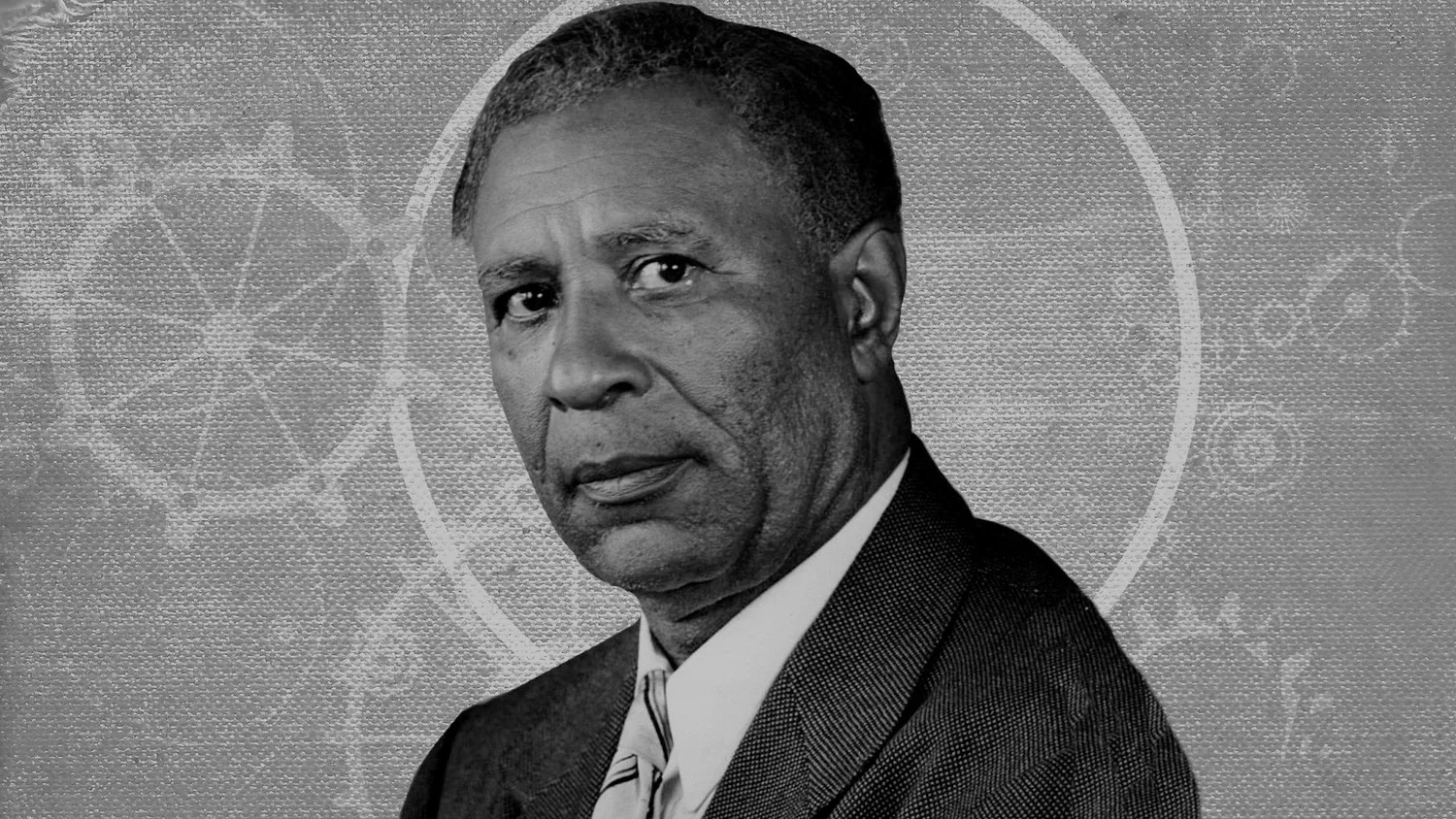
Garrett Augustus Morgan Sr. (March 4, 1877 – July 27, 1963) was an American inventor, businessman, and community leader. His most notable inventions were a protective 'smoke hood'[1] that he notably used in a 1916 tunnel construction disaster rescue, a type of three-way traffic light invented in 1923,[2] a hair-straightening cream, and other hair-care products.[3][4] Morgan created a successful company called "G. A. Morgan Hair Refining Company" based on his hair product inventions. He was involved in African Americans' civic and political advancement, especially in and around Cleveland, Ohio.
Morgan was born on March 4, 1877, in Paris, Kentucky,[5][6] a predominantly African-American community. His father was Sydney Morgan, a freed slave of Confederate General John H. Morgan of Morgan's Raiders.[5] His mother, also a freed slave, was Elizabeth Reed, daughter of Rev. Garrett Reed;[7] she was part Native American.[8] Garrett Morgan was the seventh of eleven children. Morgan received a sixth grade education at Branch Elementary School in Claysville, Kentucky. At age 14, he moved in search of work to Cincinnati, Ohio.[5][9]
Morgan spent most of his teenage years working as a handyman for a Cincinnati landowner. Like many African American children growing up at the turn of the century, he had to quit school at a young age to work full-time.[10] Morgan hired a tutor and continued his studies while working in Cincinnati. In 1895, he moved to Cleveland,[5] where he began repairing sewing machines for a clothing manufacturer. This experience sparked Morgan's interest in how things worked, and he built a reputation for fixing them. His first invention, made during this period, was a belt fastener for sewing machines.[10] Morgan also invented a zigzag attachment for sewing machines.[11]
In 1907, Morgan opened a sewing machine shop. In 1908, more conscious of his heritage, he helped start the Cleveland Association of Colored Men.[7][12] In 1909, he and his second wife, Czech-immigrant Mary Anne Hassek,[13] opened Morgan's Cut Rate Ladies Clothing Store.[14] The shop made coats, suits, dresses, and other clothing, and ultimately had 32 employees.[7]
Around 1910, his interest in repairing other people's inventions waned, and he became interested in developing some of his own. He received his first patent in 1912. In 1913, he incorporated hair care products into his growing list of patents and launched the G. A. Morgan Hair Refining Company, which sold hair care products, including his patented hair straightening cream, hair coloring, and a hair straightening comb invented by Morgan.[1]
In 1914, he patented his smoke hood design, also known as a 'breathing device'.[1] In 1914, he launched the National Safety Device Company. The invention earned him the first prize at the Second International Exposition of Safety and Sanitation in New York City."[15] In 1916, Morgan rescued workers trapped in a water intake tunnel 50 ft (15 m) beneath Lake Erie, using the smoke hood to protect his eyes from smoke and featuring a series of air tubes that hung near the ground to draw clean air beneath the rising smoke.[16][17]
In 1923, Morgan designed a traffic signal after witnessing a horrible crash at an intersection. His manually-operated design included moving arms featuring signals for "go" and "stop".[2] He eventually sold the rights to General Electric for $40,000.[15]
Later in life he developed glaucoma.[5] By 1943 was functionally blind. He had poor health the rest of his life,[16][18] but continued to work on his inventions. One of his last was a self-extinguishing cigarette, which used a small plastic pellet filled with water placed just before the filter. He died on July 27, 1963,[7][18][19] at age 86. He is buried at the Lake View Cemetery in Cleveland.[7][20]
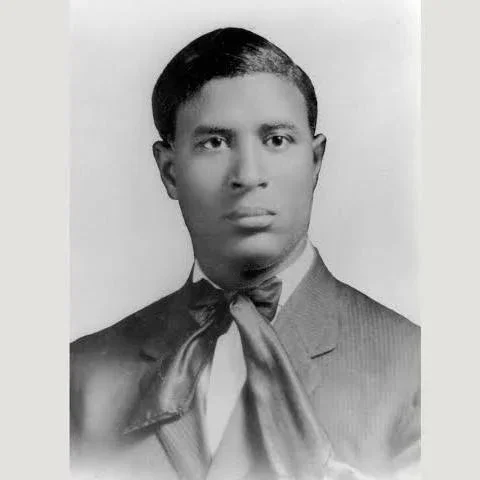
Garrett Morgan Businessman, Inventor and Community Leader
Products and inventions
Hair care products
Traffic signal
Smoke hood
Community leadership
In 1908, he co-founded the Cleveland Association of Colored Men, which later merged with the National Association for the Advancement of Colored People.[7][12][18] Morgan served as its treasurer.[18] He was a member of the NAACP and donated money to historically black colleges and universities.[8]
In 1920, Morgan founded the Cleveland Call, a weekly newspaper. In 1938, he participated in its merger with another paper, which created the Cleveland Call and Post newspaper.[28] Morgan purchased a farm near Wakeman, Ohio, and upon that land build the Wakeman Country Club, open to Blacks, unlike most country clubs then.
Morgan was a member of the Prince Hall Freemasons, in Excelsior Lodge No. 11 of Cleveland, Ohio.[29] He belonged to Antioch Baptist Church.[5]
In 1931, believing that Cleveland was not properly addressing the needs of its African American citizens, Morgan ran for a seat on the Cleveland City Council as an independent, but was not elected.[10][16]
BLACK HISTORY
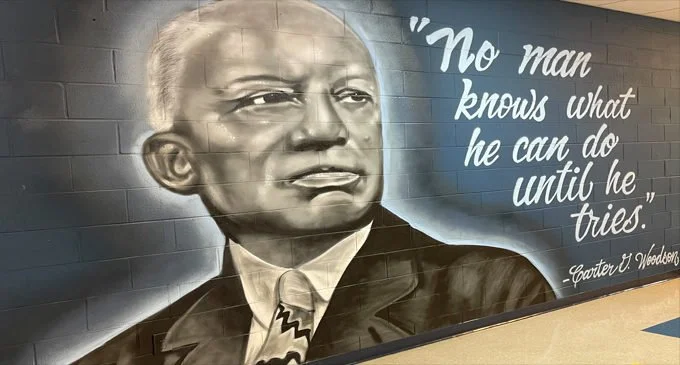
A Good Deed Gone Bad
Harriet’s desire for justice became apparent at age 12 when she spotted an overseer about to throw a heavy weight at a fugitive. Harriet stepped between the enslaved person and the overseer—the weight struck her head.
She later said about the incident, “The weight broke my skull … They carried me to the house all bleeding and fainting. I had no bed, no place to lie down on at all, and they laid me on the seat of the loom, and I stayed there all day and the next.”
Harriet’s good deed left her with headaches and narcolepsy the rest of her life, causing her to fall into a deep sleep at random. She also started having vivid dreams and hallucinations which she often claimed were religious visions (she was a staunch Christian). Her infirmity made her unattractive to potential slave buyers and renters.
Escape from Slavery
In 1840, Harriet’s father was set free and Harriet learned that Rit’s owner’s last will had set Rit and her children, including Harriet, free. But Rit’s new owner refused to recognize the will and kept Rit, Harriet and the rest of her children in bondage.
Around 1844, Harriet married John Tubman, a free Black man, and changed her last name from Ross to Tubman. The marriage was not good, and the knowledge that two of her brothers—Ben and Henry—were about to be sold provoked Harriet to plan an escape.
Harriet Tubman: Underground Railroad
On September 17, 1849, Harriet, Ben and Henry escaped their Maryland plantation. The brothers, however, changed their minds and went back. With the help of the Underground Railroad, Harriet persevered and traveled 90 miles north to Pennsylvania and freedom.
Tubman found work as a housekeeper in Philadelphia, but she wasn’t satisfied living free on her own—she wanted freedom for her loved ones and friends, too.
She soon returned to the south to lead her niece and her niece’s children to Philadelphia via the Underground Railroad. At one point, she tried to bring her husband John north, but he’d remarried and chose to stay in Maryland with his new wife.
Tubman found work as a housekeeper in Philadelphia, but she wasn’t satisfied living free on her own—she wanted freedom for her loved ones and friends, too.
She soon returned to the south to lead her niece and her niece’s children to Philadelphia via the Underground Railroad. At one point, she tried to bring her husband John north, but he’d remarried and chose to stay in Maryland with his new wife.
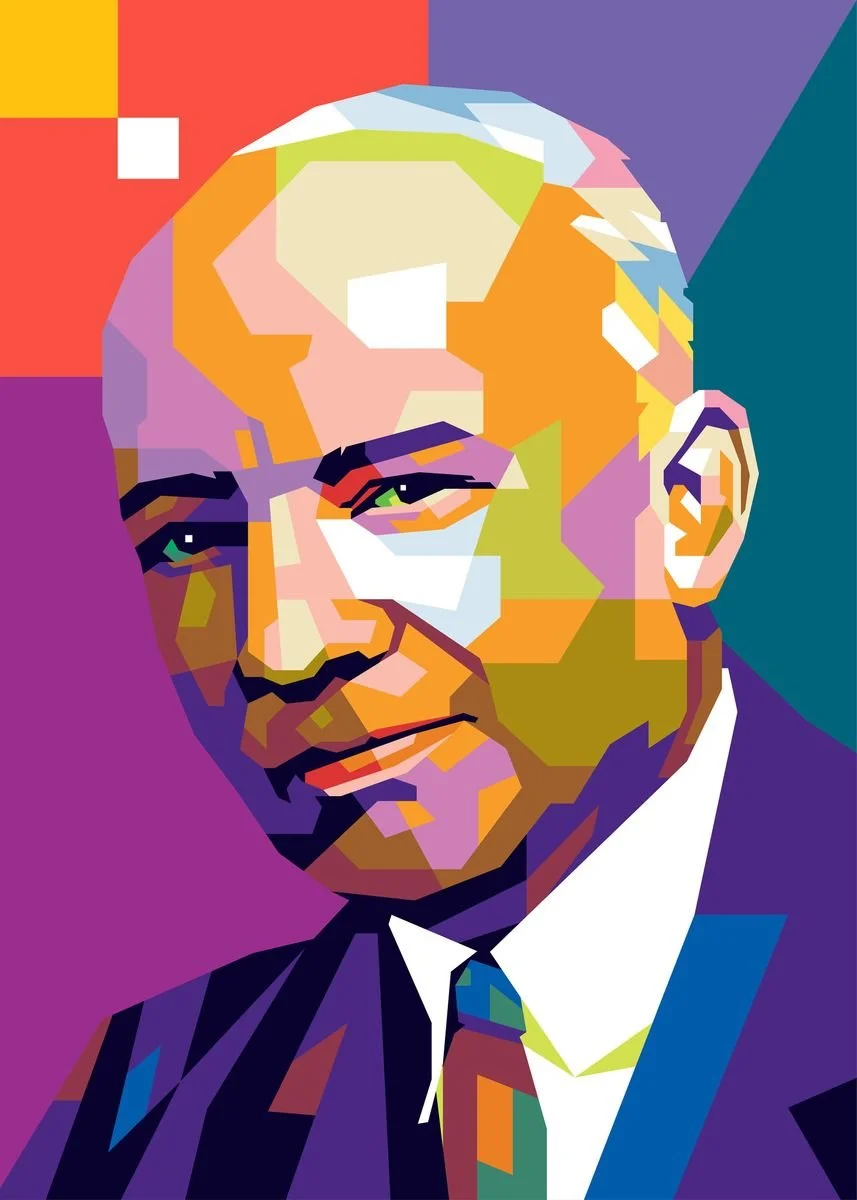
Carter G. Woodson, often called the "Father of Black History," established what would become Black History Month in 1926, initially as "Negro History Week." Born in 1875 to formerly enslaved parents, Woodson became the second African American to earn a PhD from Harvard University and dedicated his life to documenting and promoting the study of Black history and culture. He chose the second week of February for the observance because it coincided with the birthdays of both Abraham Lincoln and Frederick Douglass, two figures whose legacies were central to the African American experience. Woodson founded the Association for the Study of Negro Life and History (now the Association for the Study of African American Life and History) in 1915 and created the observance out of his conviction that Black Americans' contributions had been systematically excluded from mainstream historical narratives. The week-long celebration expanded to a month-long observance in 1976, during the United States Bicentennial, and has since become an integral part of American education and culture, fulfilling Woodson's vision of ensuring that Black history is recognized as an essential component of American history.

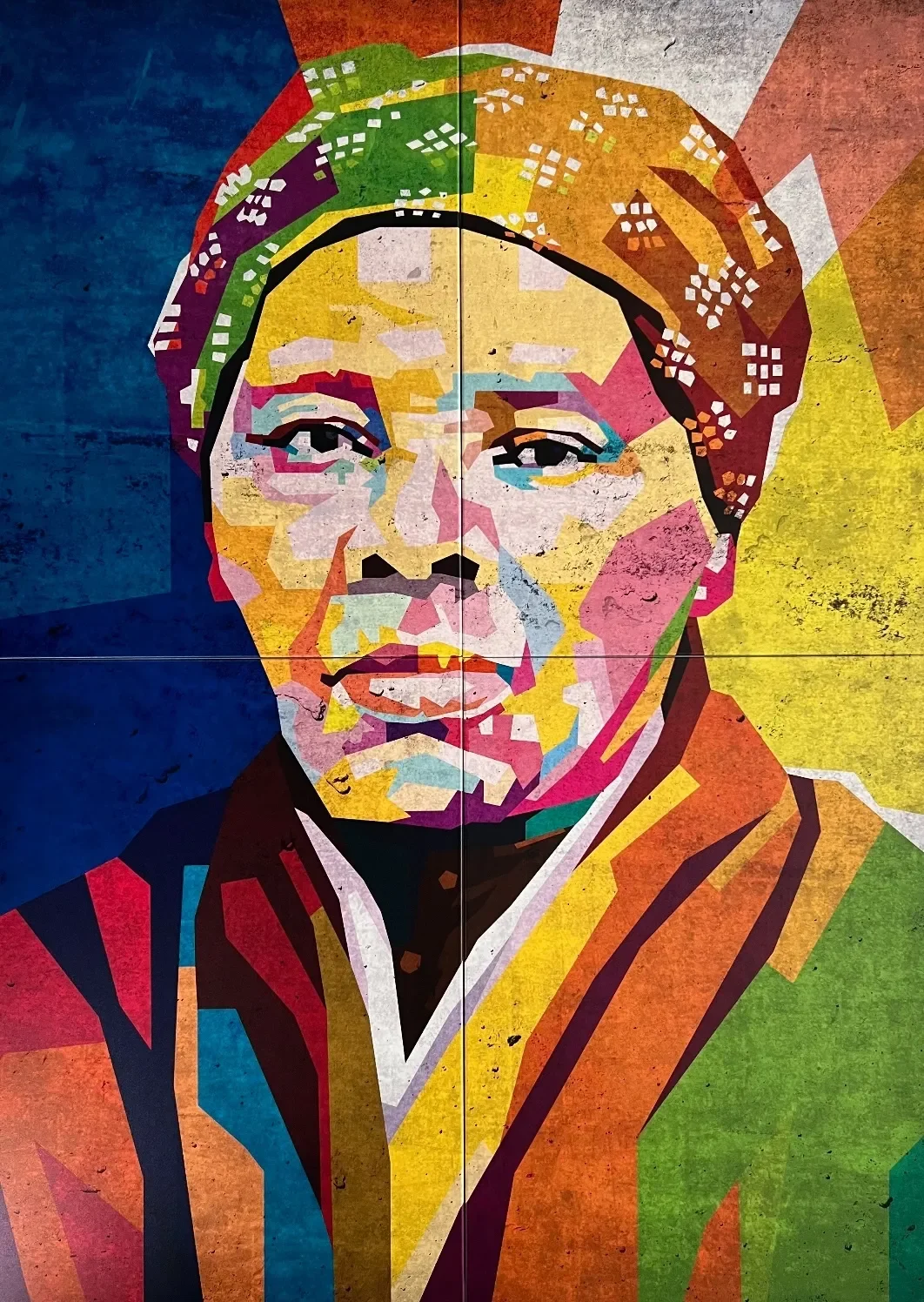
Fugitive Slave Act
The 1850 Fugitive Slave Act allowed fugitive and freed workers in the north to be captured and enslaved. This made Harriet’s role as an Underground Railroad conductor much harder and forced her to lead enslaved people further north to Canada, traveling at night, usually in the spring or fall when the days were shorter.
She carried a gun for both her own protection and to “encourage” her charges who might be having second thoughts. She often drugged babies and young children to prevent slave catchers from hearing their cries.
Over the next 10 years, Harriet befriended other abolitionists such as Frederick Douglass, Thomas Garrett and Martha Coffin Wright, and established her own Underground Railroad network. It’s widely reported she emancipated 300 enslaved people; however, those numbers may have been estimated and exaggerated by her biographer Sarah Bradford, since Harriet herself claimed the numbers were much lower.
Nevertheless, it’s believed Harriet personally led at least 70 enslaved people to freedom, including her elderly parents, and instructed dozens of others on how to escape on their own. She claimed, “I never ran my train off the track and I never lost a passenger.”
Harriet Tubman's Civil War Service
More to History: Harriet Tubman's Civil War Heroics
Harriet Tubman is known for her legendary efforts to free slaves via the Underground Railroad. And nothing, even the Civil War, would get in the way.
Summary
"Martin Luther King Jr.’s Theological Evolution and the Impact of the (Black) Social Gospel on His Political Views"
by Paulina Napierała
This academic article challenges the dominant narrative about Martin Luther King Jr.'s intellectual influences by recovering a long-neglected theological tradition: the Black social gospel.
The Problem: For decades, scholars attributed King's activism primarily to white Western philosophy and theology—personalism from Boston University, Reinhold Niebuhr's Christian realism, Walter Rauschenbusch's social gospel, and Gandhi's nonviolence. Early analyses minimized or entirely omitted the Black Church tradition that shaped King's formative years. This erasure distorted our understanding of King's theology, his activism, and the Black Church itself.
The Black Social Gospel Defined: Gary Dorrien's scholarship has been instrumental in distinguishing the Black social gospel from its white counterpart. While both traditions addressed economic inequality and sought to apply Christian ethics to social problems, the Black social gospel emerged from fundamentally different circumstances:
It developed in response to Reconstruction's failure, Jim Crow's rise, and lynching's terror
Racial oppression wasn't one issue among many—it "refigured how other problems were experienced"
Black social gospel leaders lacked access to mainstream platforms, creating counter-public spheres
They couldn't downplay the cross's meaning because they were "persecuted, crucified people" experiencing oppression daily
The full-fledged Black social gospel combined five elements: emphasis on Black dignity and personhood, protest activism for racial justice, comprehensive social justice agenda, insistence that authentic Christianity is incompatible with racial prejudice, emphasis on Jesus' social ethical teaching, and acceptance of modern scholarship and social consciousness.
Key representatives included Reverdy C. Ransom, Ida B. Wells-Barnett, Adam Clayton Powell Sr., Mordecai Wyatt Johnson, Benjamin E. Mays, Howard Thurman, Vernon Johns, and J. Pius Barbour.
King's Journey
Family Background: King grew up at Ebenezer Baptist Church under his grandfather A.D. Williams and father Martin Luther King Sr., both of whom practiced early versions of the Black social gospel—combining evangelical faith with social activism. However, their fundamentalism and emotional revivalism made young King initially reluctant to pursue ministry.
Morehouse College (1944-1948): This was King's breakthrough. Two professors transformed his understanding:
Benjamin E. Mays, president and leading Black social gospel representative, showed King that ministry could be intellectually rigorous, theologically liberal, and prophetically engaged. Mays had studied under Rauschenbusch and been mentored by Mordecai Johnson. He argued "a religion which ignores social problems will in time be doomed."
George D. Kelsey introduced King to biblical criticism, helping him realize Bible studies didn't require fundamentalist literalism. His lectures became "a breaking point for King's theological development."
Through these mentors, King discovered he could be a minister without adhering to his father's fundamentalism or emotionalism. As he wrote, "Both were ministers, both deeply religious, and yet both were learned men, aware of all the trends of modern thinking. I could see in their lives the ideal of what I wanted a minister to be."
Crozer Theological Seminary (1948-1951): King studied Rauschenbusch directly, calling Christianity and the Social Crisis "a book which left an indelible imprint on my thinking." He engaged Edgar Brightman's personalism, wrestled with Niebuhr's Christian realism, and heard Mordecai Johnson deliver an electrifying lecture on Gandhi. Importantly, J. Pius Barbour—Crozer's first Black graduate and a Black social gospel leader—mentored King through regular dinner conversations.
Boston University (1951-1955): King deepened his study of personalism under L. Harold DeWolf while also learning from Walter Muelder's "Socialist pacifist, antiracist, anticolonial, and feminist" wing of the social gospel. Howard Thurman influenced him with Jesus and the Disinherited, which interpreted Jesus' teachings through the oppressed's experience.
The Framework
What emerges isn't simply that King synthesized various influences. Rather, the Black social gospel provided the framework through which he understood and appropriated other traditions. As Dorrien stresses, "King was not the first Black thinker who appropriated the social gospel to the specific situation of the Black community. He was rather a continuator of the Black social gospel tradition."
Even when King studied Rauschenbusch directly at Crozer, he did so already immersed in the Black social gospel's interpretation of Rauschenbusch's work. His Morehouse mentors had shown him what it meant to translate social gospel theology into Black church contexts.
Political Implications
The Black social gospel's influence shaped King's activism from the beginning:
When Montgomery called in December 1955, King had already absorbed Black social gospel values about the church's prophetic role
The Southern Christian Leadership Conference gathered Baptist ministers all under strong Black social gospel influence
King translated social gospel beliefs into moderately socialist political views, agreeing with Rauschenbusch's critique of capitalism as "exploitative and predatory"
He considered "the social gospel, put into practice, as a decentralized, spiritualized form of socialism"
His socialist convictions—though kept quiet during the 1950s—became evident in political solutions he supported: the Bill of Rights for the Disadvantaged, the domestic Marshall Plan, compensatory treatment for the poor, the Poor People's Campaign, and opposition to the Vietnam War.
Importantly, King's "radicalization" in the 1960s wasn't a departure but a deepening. As one scholar notes, "the more the superstructure of his politics changed, the more the moral and spiritual base of his thinking stayed essentially the same."
Why This Matters
Distinguishing the Black social gospel as a separate tradition matters for several reasons:
It reveals unique features of a theological movement addressing issues white social gospel advocates ignored
It illustrates the Black Church's complicated nature—neither monolithically conservative nor uniformly activist
It allows us to notice the Black social gospel's particular influence on King and other civil rights leaders
It shows how religion can shape individual political preferences and influence social movements
It highlights theological and political divisions within churches, especially the Black Church
Conclusion
As Dorrien emphasizes, "without the black social gospel, King would not have known what to say when history called on December 3, 1955." Although the Black social gospel was long forgotten in scholarship, it is "the category that best describes Martin Luther King Jr., his chief mentors, his closest movement allies, and the entire tradition of black church racial justice activism reaching back to the 1880s."
King's views were "a product of the synthesis of Black cultural and religious influences and the Western traditions and theologies." Both versions of the social gospel—Black and white—deeply influenced his political views. While one emphasized the Black community's conditions and the other highlighted systemic faults affecting the whole society, both installed in him deep devotion to Christian socialism that translated into democratic socialism within the political sphere.
Understanding this theological foundation is essential for understanding King's legacy—and for recognizing that his activism emerged not from abstract philosophy but from a rich, prophetic tradition within the Black Church itself.
Pull Quotes
"King’s views were a product of the synthesis of Black cultural and religious influences and the Western traditions and theologies." (Page 3)
"He considered the social gospel, put into practice, as a decentralized, spiritualized form of socialism." (Page 28)
Citation (Chicago Style)
Napierała, Paulina. "Martin Luther King Jr.’s Theological Evolution and the Impact of the (Black) Social Gospel on His Political Views." Ad American: Journal of American Studies 25 (2024): 65-94.